


Gibsons, British Columbia (April 7, 2026) — Nammex Mushrooms, Inc will give two scientific presentations at the International Congress on Science of Botanicals (ICSB 2026), April 20 – 23, 2026 in Oxford, Mississippi, contributing its expertise to help answer a growing global call from standards-setting organizations and industry laboratories for authenticated fungal reference materials to support quality, safety, and regulatory compliance in the rapidly expanding functional mushroom sector. Accurate characterization is essential for conducting clinical studies as well as for formulating products based upon that research.
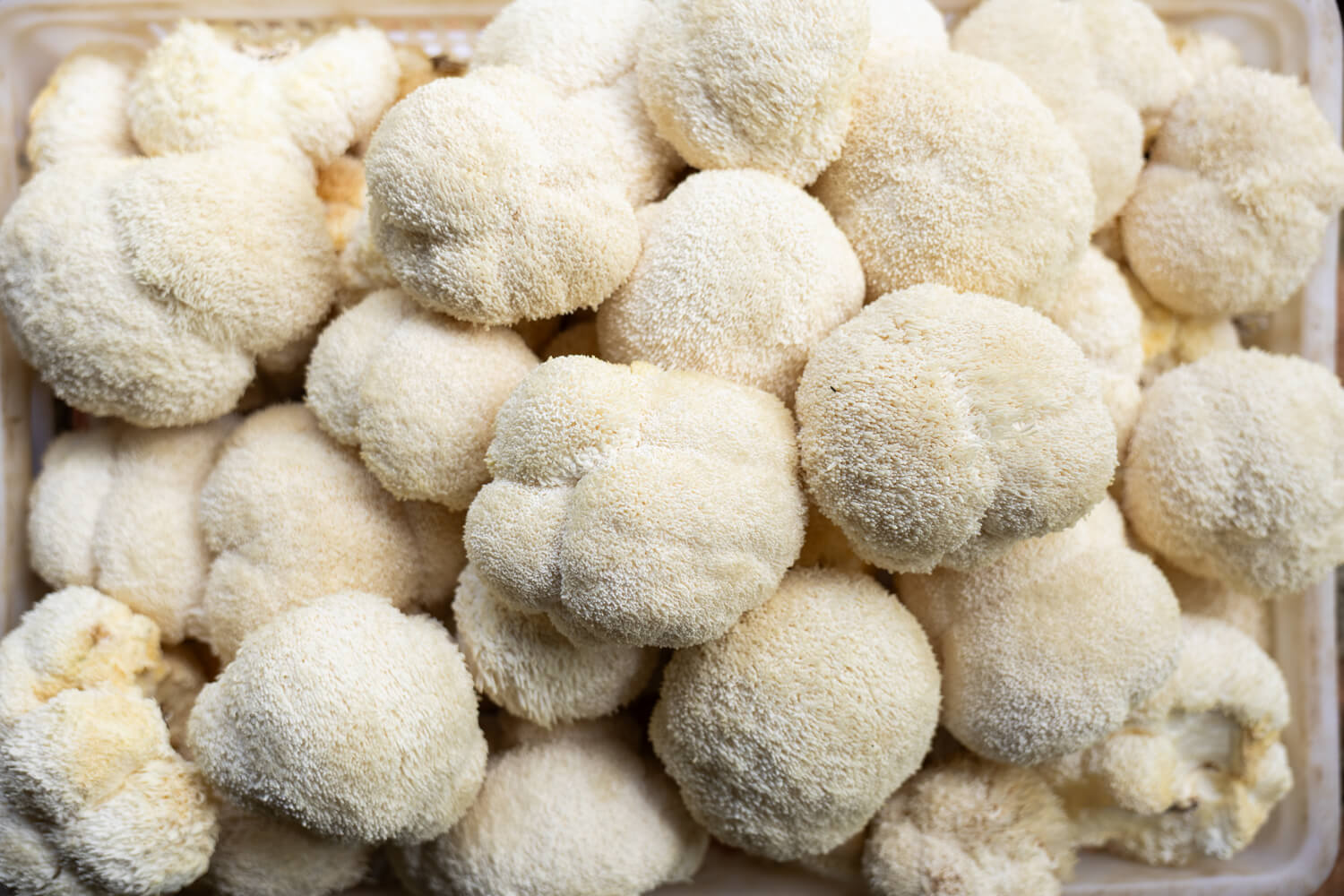
Across both a poster presentation and a short talk, Nammex researchers will address a critical gap long recognized by organizations such as AOAC INTERNATIONAL and analytical laboratories worldwide: the lack of species-specific, validated reference materials for fungi, particularly commercially important species like Hericium erinaceus (Lion’s Mane).
Addressing a Critical Industry Gap
The functional mushroom category has experienced rapid growth, but analytical infrastructure has lagged behind. Without authenticated reference materials, laboratories face challenges in:
- Verifying species identity
- Detecting adulteration or substitution
- Validating analytical methods
- Establishing harmonized standards
Both ICSB presentations emphasize that authenticated reference materials are foundational to solving these challenges.
Poster Presentation: “Reference Material Development for Hericium erinaceus and Other Mushrooms” (Authors Melissa Ishii, Kevin Spelman, Kelsey Dodds, Coleton Windsor, Nicole Boulton, Dr. Anna E. Kreynes, Chris Niebergall). Dr. Kevin Spelman will be presenting the poster on behalf of the team. This work outlines Nammex’s multi-layered authentication framework combining:
- Morphological and macroscopic voucher verification
- Next-generation DNA sequencing
- HPTLC and HPLC chemical fingerprinting
- Third-party NMR validation
These orthogonal methods collectively establish robust, reproducible reference materials for H. erinaceus and other fungi, designed to support method validation and standards development efforts, including ongoing collaboration with AOAC INTERNATIONAL. Some specimens from Nammex’s Psilocybe research program are included in this poster.
Short Talk: “Authenticated Hericium erinaceus Mushroom and Selected Mycelia Reference Materials for General Industry Use” presented by Steven Dentali, PhD. This presentation focuses on practical implementation and industry application, demonstrating how authenticated reference materials enable:
- Routine laboratory screening (e.g., HPTLC methods)
- Detection of adulterants
- Alignment across testing laboratories
- Advancement of Standard Method Performance Requirements (SMPRs)
The work highlights Nammex’s role in supporting AOAC’s Botanical Identity and Dietary Supplements Integrity (BIDSI) program and broader standardization initiatives.
Alignment with Global Standards Initiatives
These presentations come at a time when standard-setting bodies and industry stakeholders are actively calling for improved botanical and fungal authentication tools. Collaborating laboratories and the scientific community have emphasized the need for:
- Publicly available, well-characterized reference materials
- Species-specific analytical methods
- Cross-laboratory validation frameworks
Nammex’s Reference Material Program directly addresses these priorities, offering authenticated materials, including mushrooms and mycelia, to support both regulatory and commercial testing environments.
By integrating genetic, chemical, and spectroscopic verification, Nammex’s approach reflects a broader shift toward multi-modal authentication as the gold standard for natural products.
“These presentations reinforce a simple but urgent point,” said Nammex CEO Skye Chilton. “Without authenticated reference materials, there can be no reliable standards. And without standards, the integrity of the category remains at risk.”
Authenticated Hericium erinaceus and other fungal reference materials developed through this program are available to qualified laboratories and organizations upon request.
About Nammex
Since 1989, Nammex has pioneered the cultivation of organic mushrooms and development of high-quality mushroom extracts to support consumer health and wellness. For over 30 years, Nammex has been a leader in advancing the scientific understanding of mushroom extracts and commercial use of scientifically validated analytical methods for quality control testing of fungal products. Nammex’s mushroom extracts and concentrates are produced under rigorous quality standards, including growing mushrooms naturally using organic practices, processing the mushrooms following cGMP standards, QC testing in qualified laboratories, and yearly audits of farm and factory. Nammex founder and President Jeff Chilton has deep, longstanding relationships with China’s top researchers and growers of medicinal mushrooms and the current team is cultivating those into the future of the company. https://www.nammex.com/
Trade Press Contact:
Suzanne Shelton
+1 847-922-5454
[email protected]