
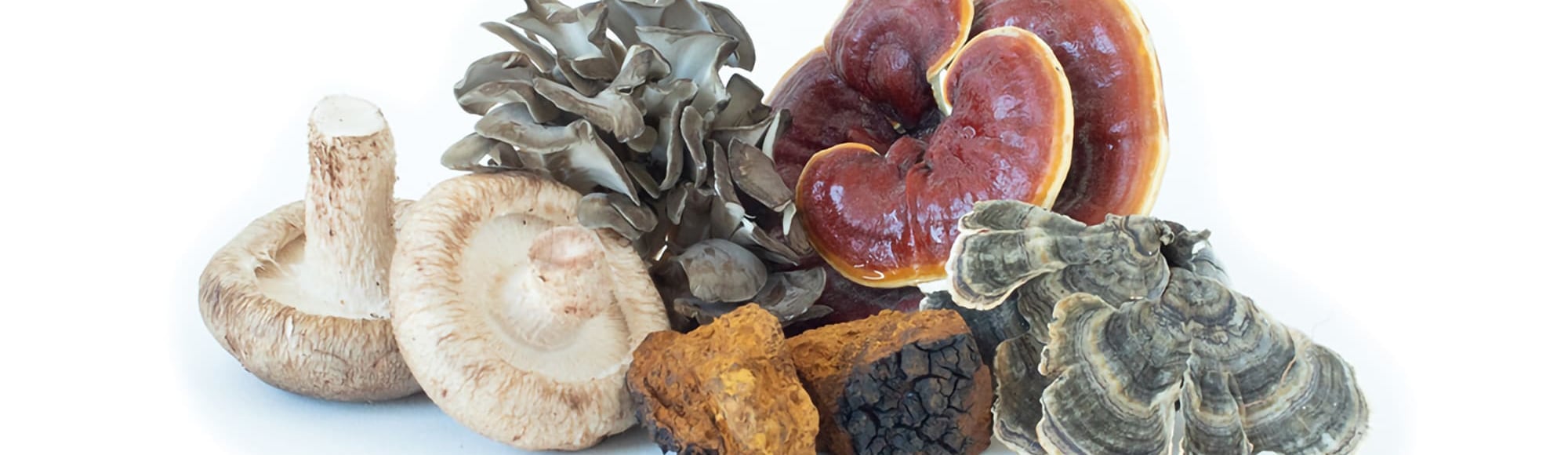

Peer-reviewed papers, open analytical methods and the data behind our quality standards.
We Publish What We Find
Formulators, QA teams and analytical labs have to prove what’s in the finished product, so we put our methods and our data where anyone can check them.
Everything below has been peer reviewed, presented at a scientific conference, or adopted by an independent lab.
Featured Study · Peer Reviewed
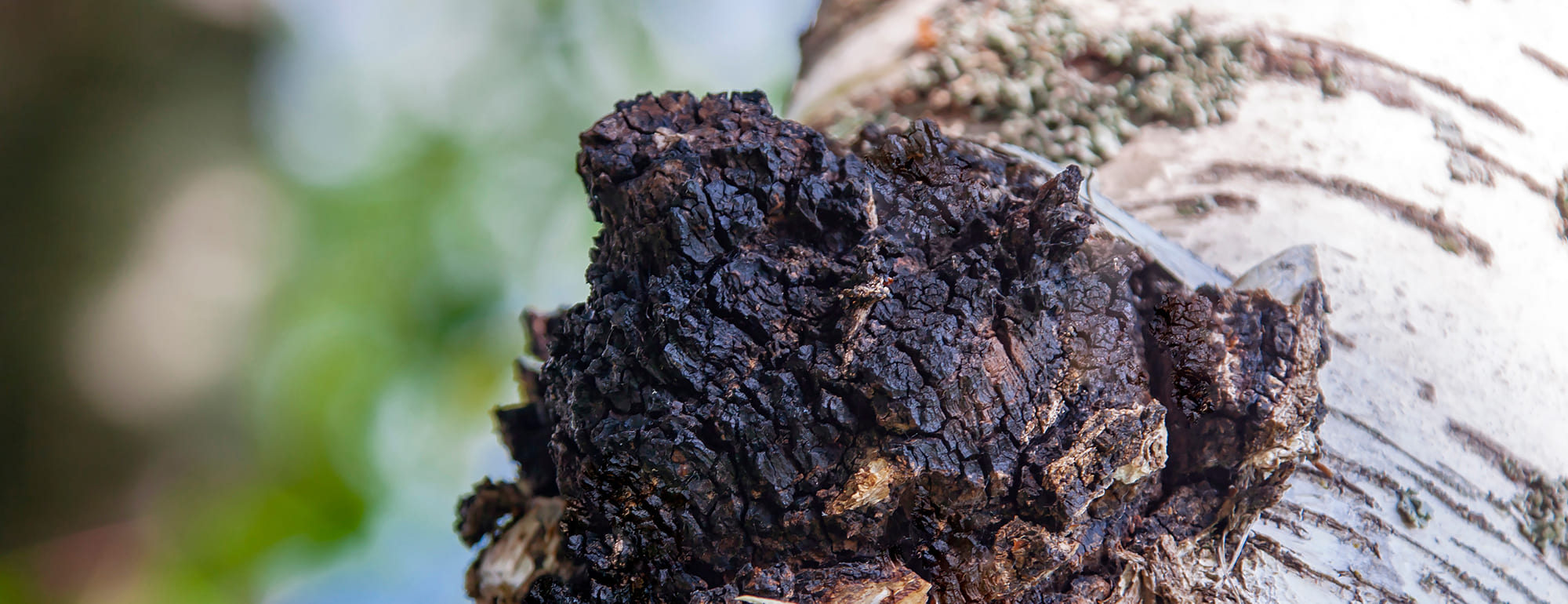
Comparative Study of Chaga Dietary Supplements
Windsor, Kreynes, Chilton, Chioffi, Krishnamurthy & Ishii. International Journal of Molecular Sciences 26(7):2970, March 2025. Open access.
Wild Chaga vs. Mycelium Fermented Grain
Wild chaga canker, pure chaga mycelium and commercial mycelium fermented grain products, compared side by side with HPTLC, LC, NMR and mass spec.
Starch Gives It Away
Fermented grain products ran 33–68% alpha-glucan (starch). Wild chaga ran under 2%, as glycogen (fungi don’t contain starch).
Chaga Markers Were Missing
Inotodiol, trametenolic acid and lanosterol were absent from every fermented grain product we tested.
Research Library
Papers, methods and white papers from the Nammex lab.
Reference Materials · ICSB 2026
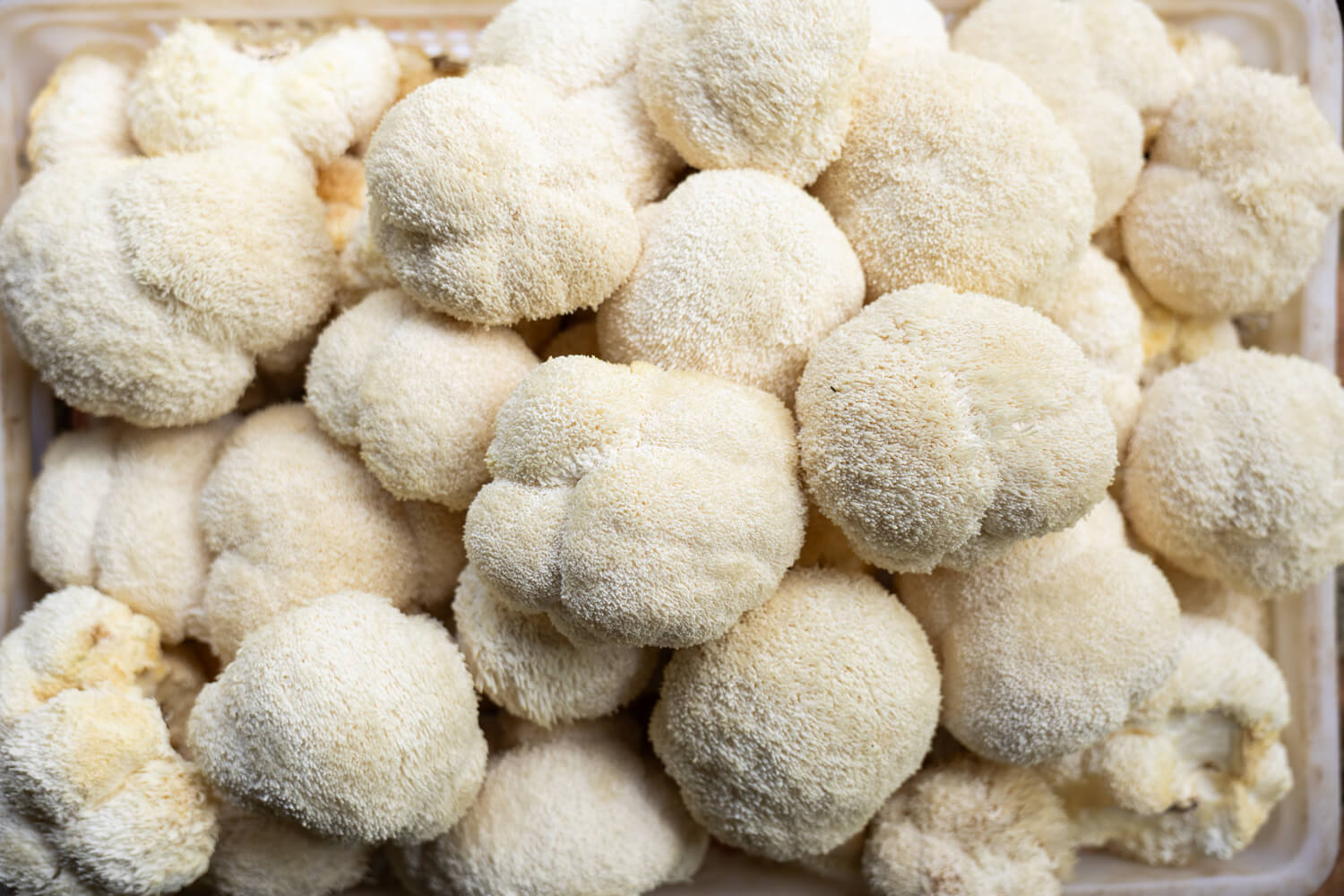
Authenticated Reference Materials for Functional Mushrooms
Poster and talk, Oxford International Conference on the Science of Botanicals, April 2026.
Labs can’t verify a mushroom’s identity without an authenticated sample to compare against. Our reference material program confirms each specimen four ways: morphology, DNA sequencing, HPTLC and HPLC fingerprinting, and third-party NMR. It starts with lion’s mane and supports AOAC’s work on species-specific standards.
Analytical Method · HPTLC
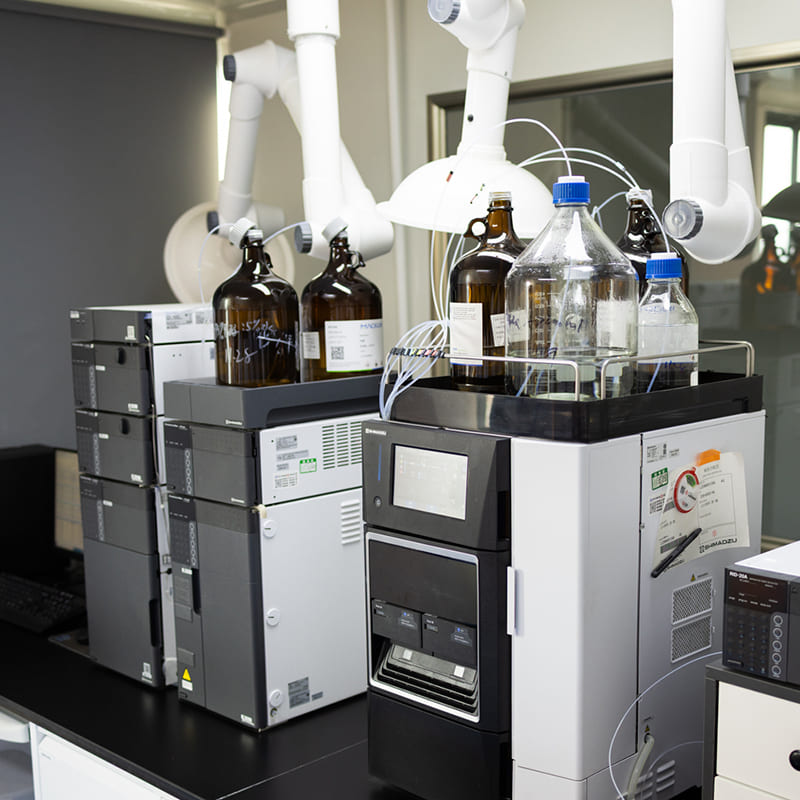
HPTLC Identification Method for Functional Mushrooms
Developed by Nammex. Verified and adopted by Eurofins, 2026.
Other than the USP reishi monograph, there was no standard to confirm mushroom species identity. Our HPTLC method gives each species a distinct fingerprint and confirms when a “mushroom” product looks more like oats or rice. Eurofins verified it across 7 species.
White Paper · Beta-Glucans
Redefining Medicinal Mushrooms
Nammex white paper and free 28-page eBook.
Beta-glucans, triterpenoids and ergosterol measure the fungus. Starch measures the filler. Whole reishi tested at 28.1% beta-glucan and 0.1% starch. One reishi mycelium fermented grain product contained 51.4% starch.
Ways We Check for Mushroom Authenticity
No single test proves identity or quality, so we stack them. These are the methods we use in our research and everyday testing.
Beta-Glucans (K-YBGL)
Megazyme’s peer-reviewed enzymatic assay for (1-3),(1-6)-beta-D-glucans, the main polysaccharide in fungal cell walls.
Alpha-Glucans (K-YBGL)
Mushrooms and mycelium produce some alpha-glucans in the form of glycogen. Grain from mycelium fermented grain is mostly alpha-glucans in the form of starch. High alpha-glucan is the clearest sign of starch filler.
Starch (AOAC Method 996.11)
Alpha-glucans from the Megazyme kit can also be validated with a standard starch test.
Ergosterol (HPLC)
A fungal sterol that indicates the presence of fungi.
Triterpenoids (HPLC)
HPLC quantification of signature compounds, like the ganoderic acids in reishi and inotodiol in chaga.
ID Fingerprinting (HPTLC)
Fast species ID. One plate compares authenticated reference vouchers side by side with the tested sample.
DNA Sequencing (PCR)
Confirms the species of our voucher specimens and cultures before they become reference material.
Nuclear Magnetic Resonance (NMR)
A sample fingerprint at a molecular level. In the Nammex chaga study, mycelium fermented grain products closely aligned with the grain they were grown on, not with chaga.
LC-QToF-MS
Untargeted metabolomics. Found 11 chemical features unique to authentic chaga.
Talks, Webinars & Coverage
- August 2026. Improving Confidence in Mushroom Testing: A New Approach to HPTLC Identification. Eurofins Botanical Testing.
- April 2026. Authenticated Hericium erinaceus Mushroom and Selected Mycelia Reference Materials for General Industry Use. Steven Dentali, Oxford International Conference on the Science of Botanicals.
- March 2025. Nammex Publishes Study to Clarify Chaga Analytical Techniques. Nammex News.
- November 2024. Ensuring Quality and Authenticity in Mushroom Supplements Using HPTLC. Webinar with Coleton Windsor and CAMAG.
- November 2024. Ensuring Quality of Functional Mushrooms with HPTLC. Coleton Windsor, CAMAG CBS 133.
Do You Want to Use Our HPTLC Method or Reference Materials?
We share our methods with QA teams, contract labs and brands who want to verify fungal product identity and quality. Tell us what you’re testing and we’ll advise on what you need.