
Category: Nammex News

The Latest in Mushrooms and the Science Behind Them

  • China Adventures 2016

    China Adventures 2016

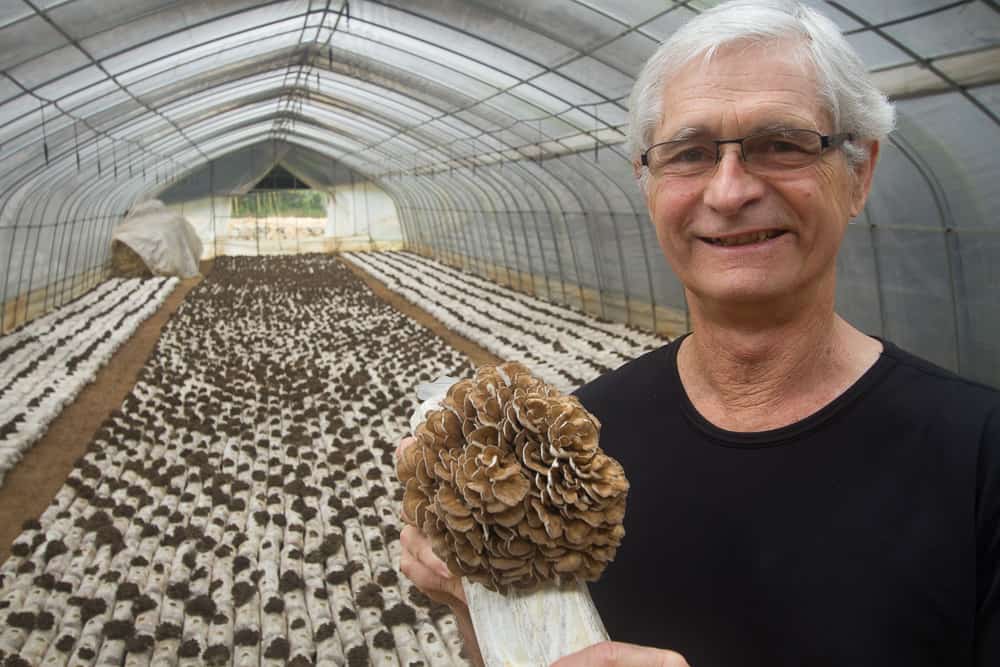
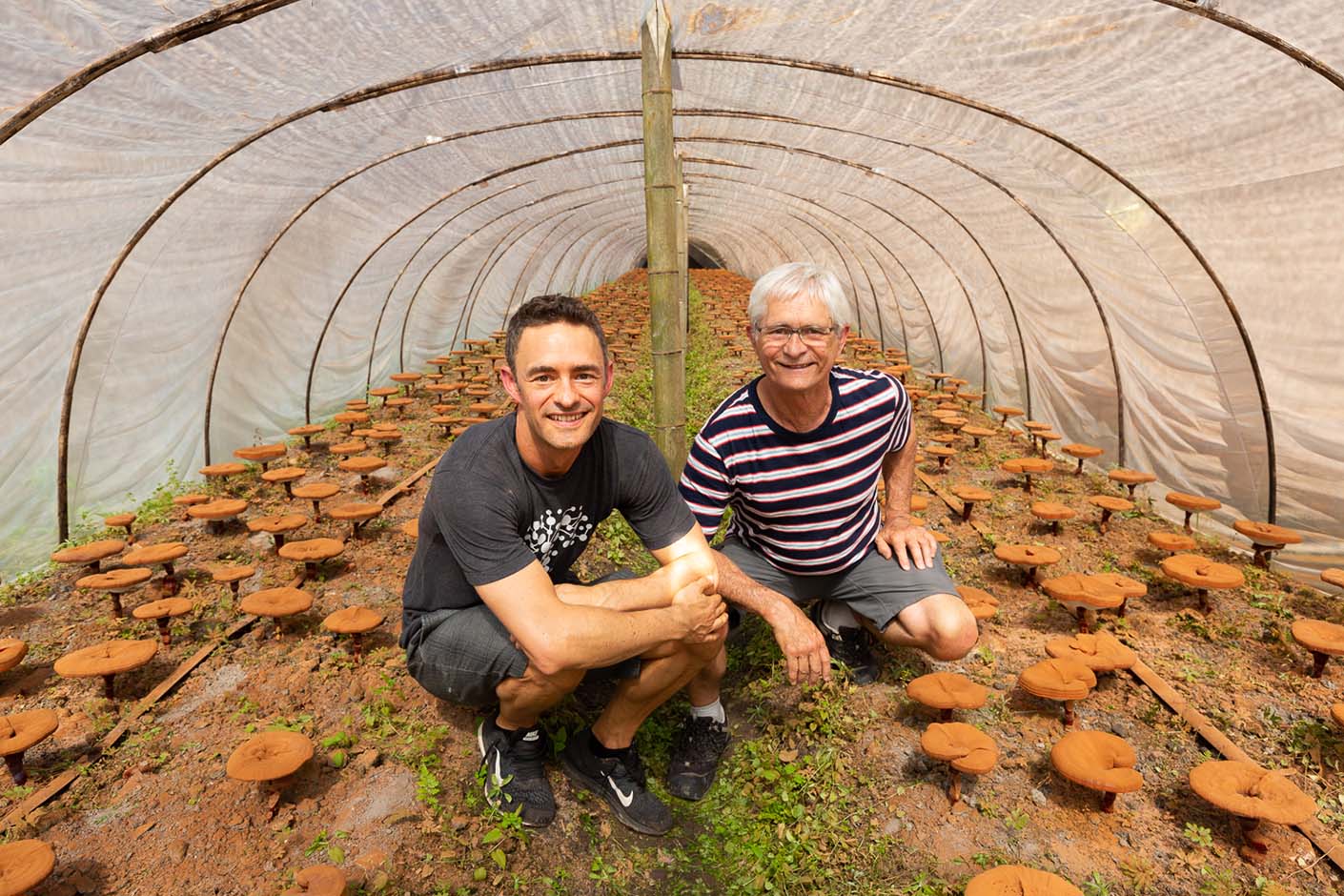
    Every year, my son, Skye and I travel to China to meet with our mushroom producing partners. The fall is a perfect time due to mild temperatures in central China and the arrival of the mushroom harvest. During the trip we will perform an audit of processing facilities and mushroom farms. Because there are multiple farms and different mushroom species are grown naturally according to ambient temperatures, we will see some species being harvested whereas other farms are still waiting for the first mature mushrooms to form.
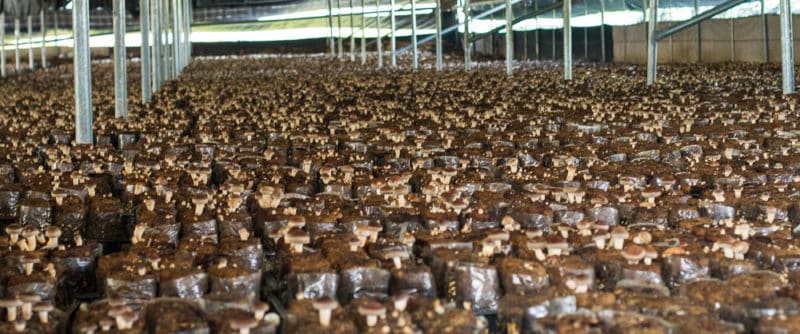
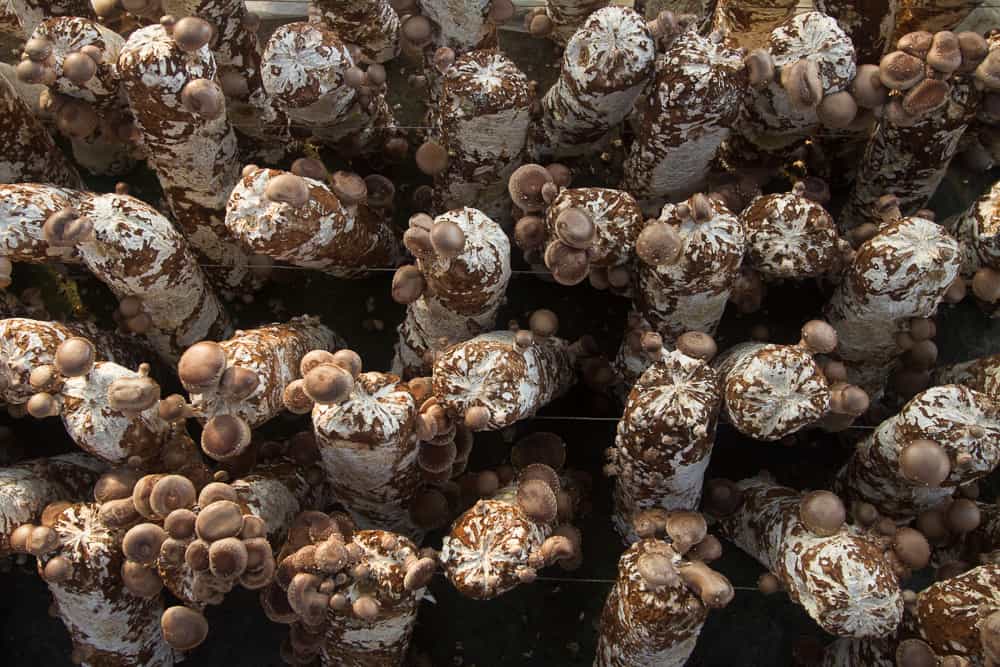
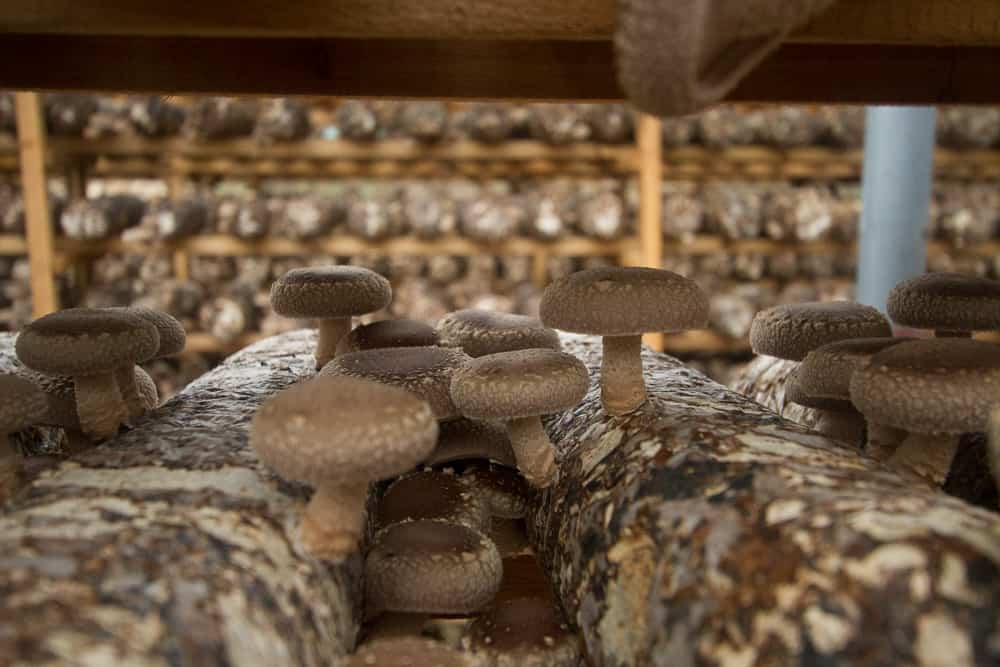
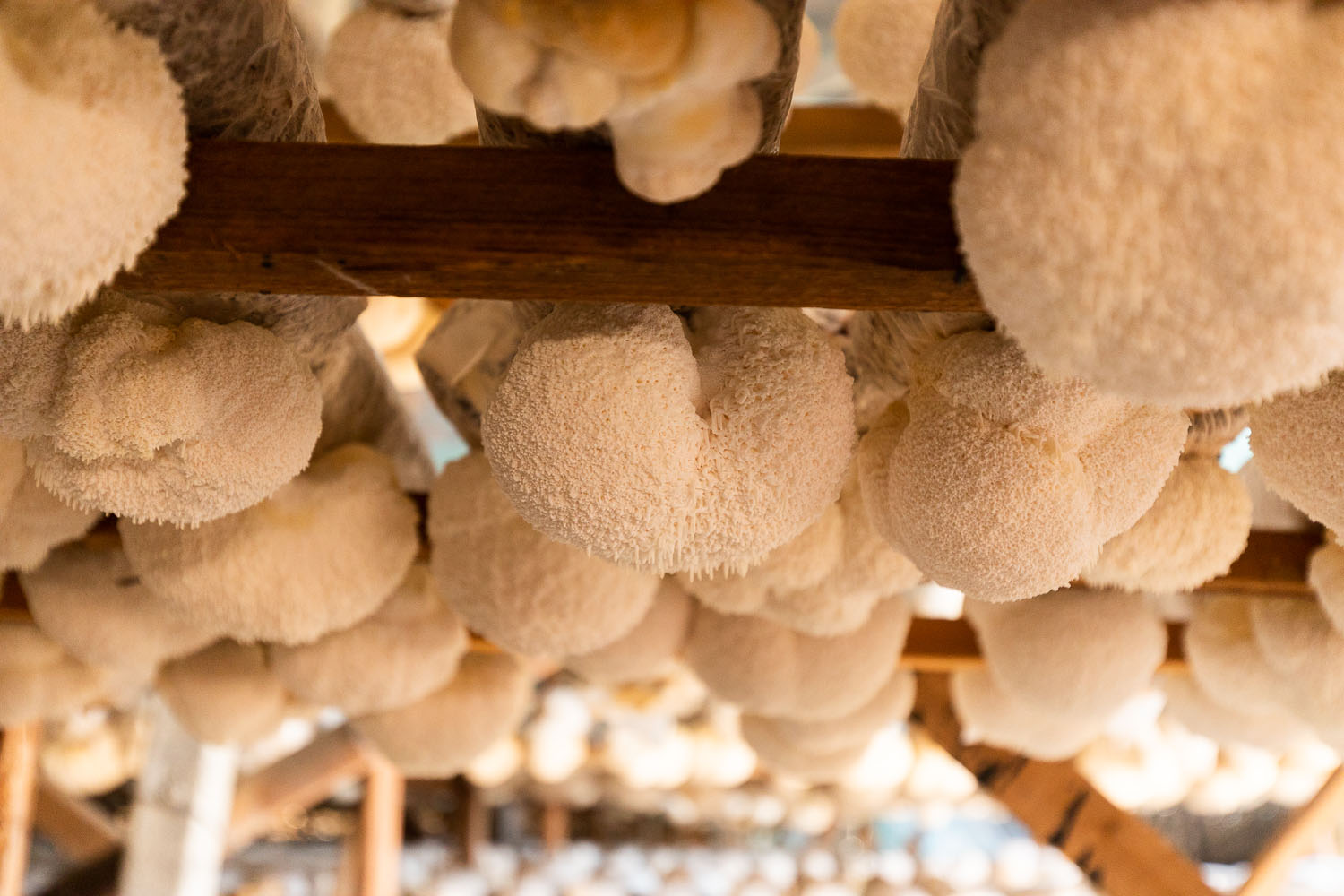
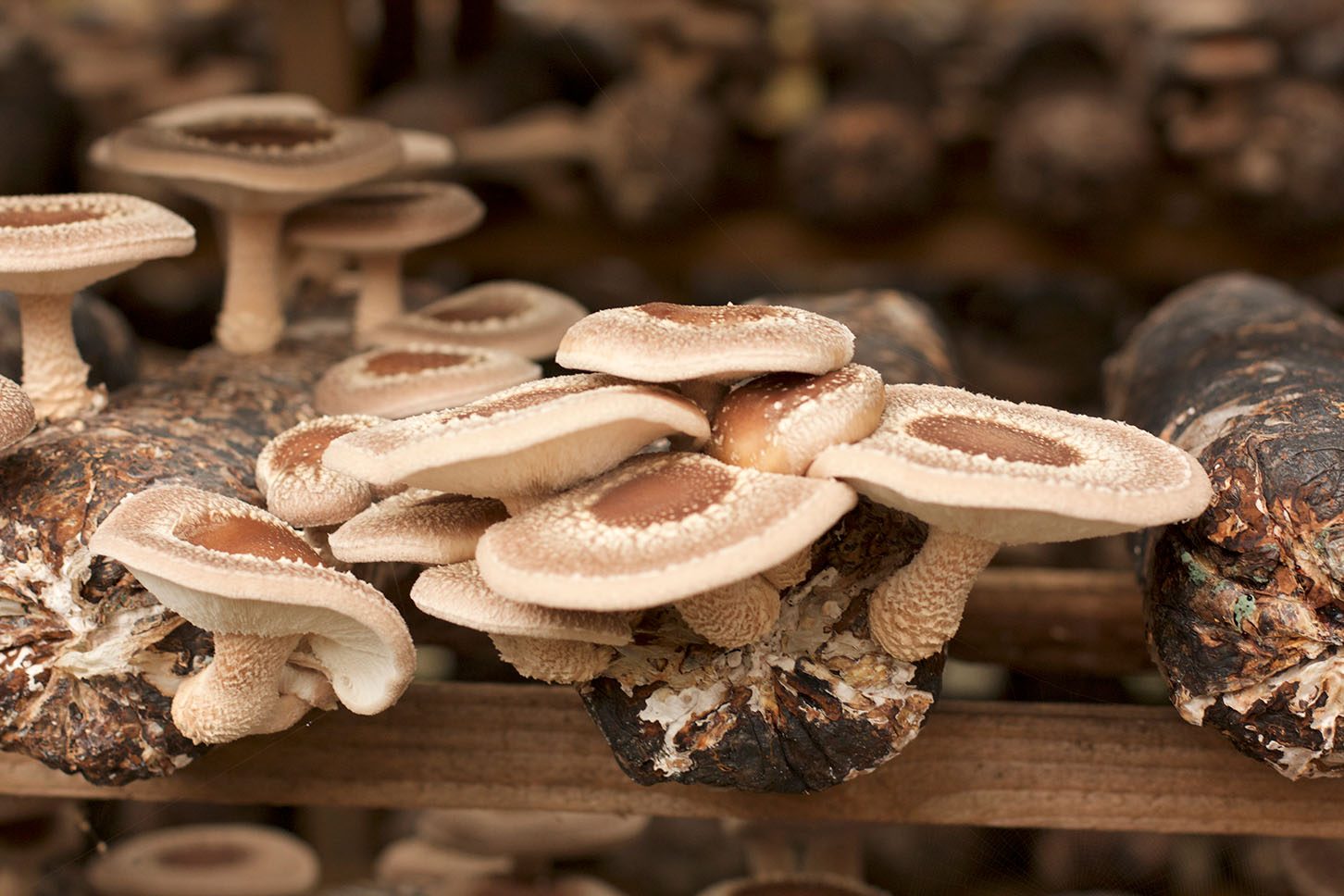
    Shiitake Mushroom Farm

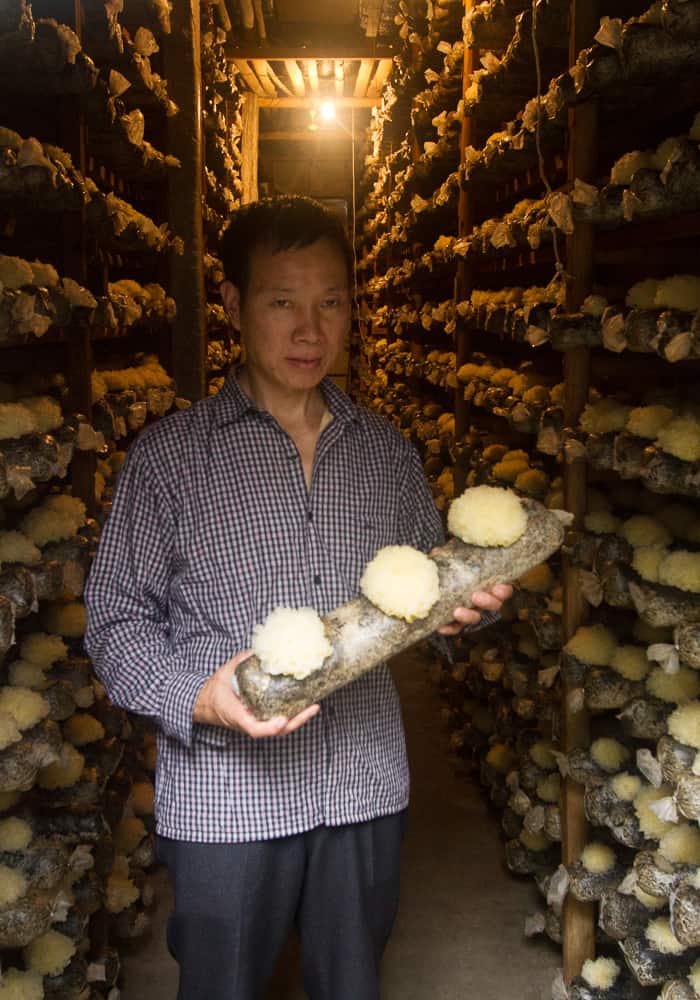
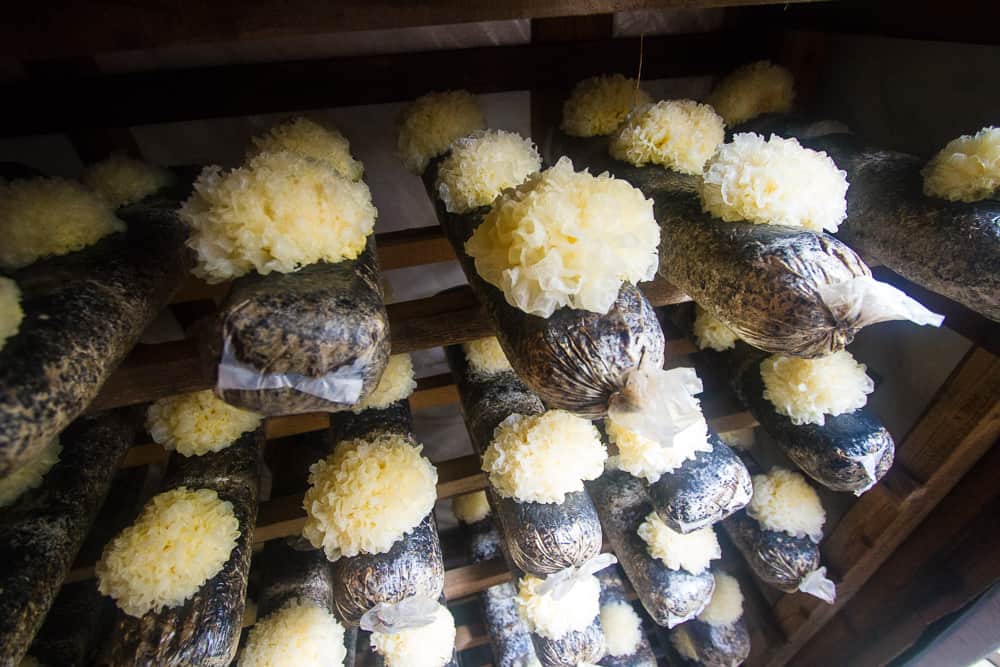
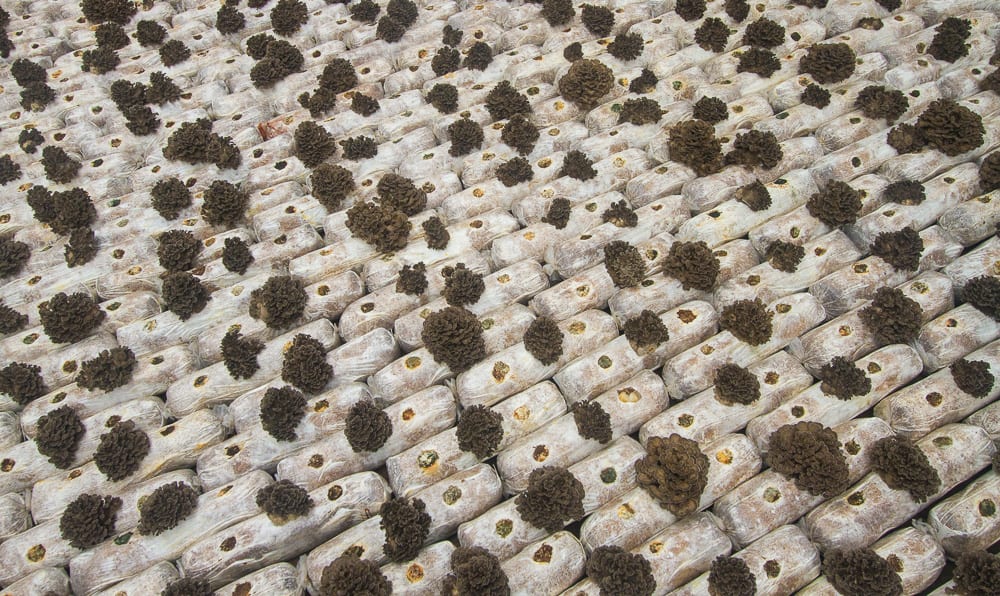
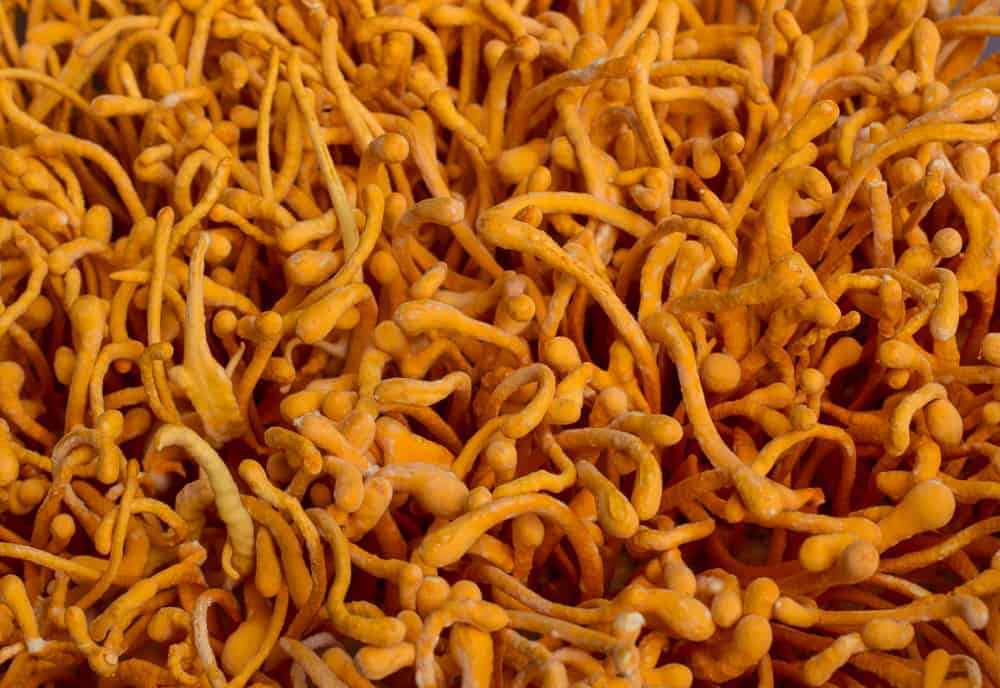
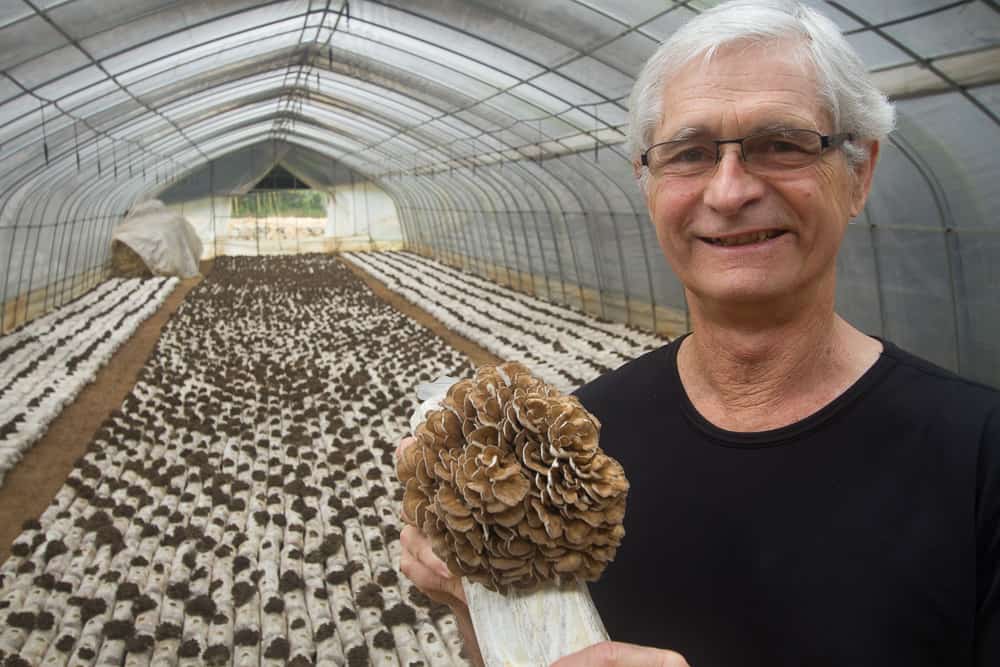
    In 2015 we were able to view mature shiitake, maitake and auricularia farms and growing facilities. This year we were able to see shiitake, tremella and best of all, Cordyceps militaris. Most of the farms are clustered deep in the mountainous areas of Zhejiang and Fujian Province. These areas are the traditional heartland of Chinese mushroom growing. In fact, mushroom growing was first started in these areas in the 12th century and since then has grown into the largest agricultural crop in this part of China.
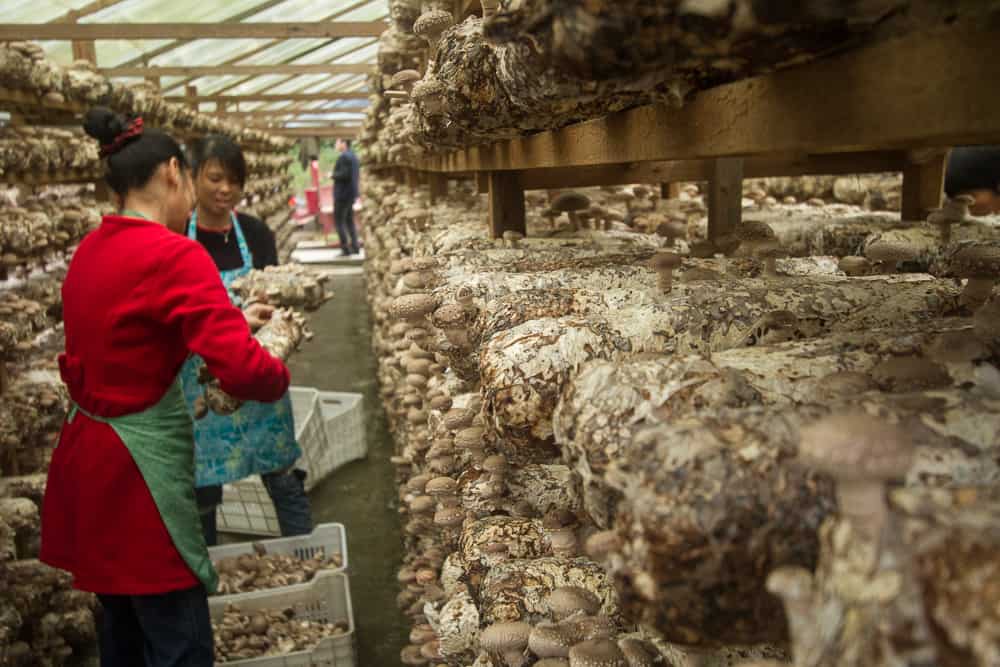
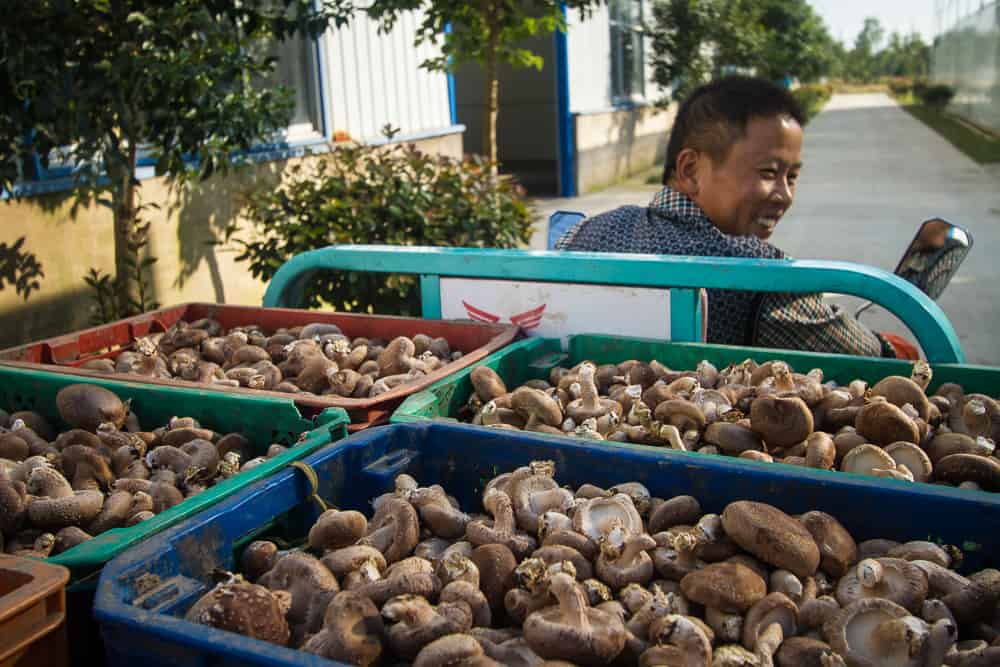
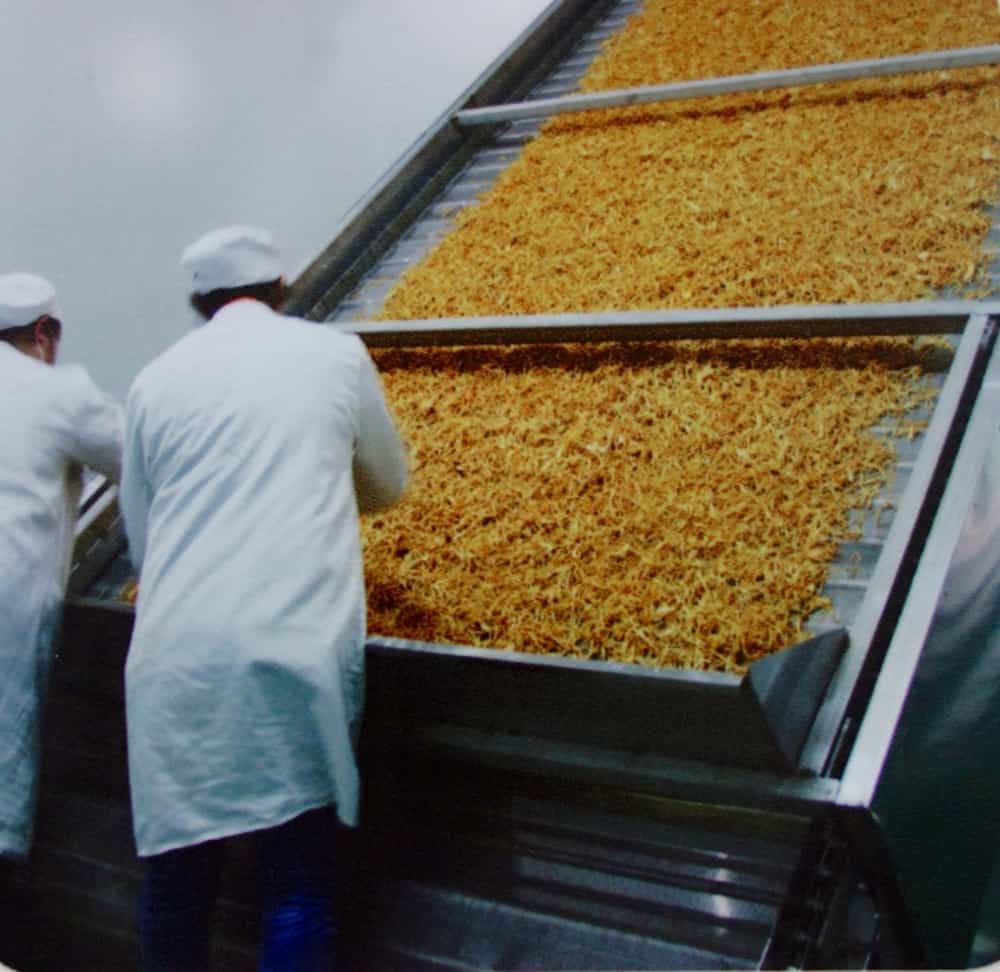
    Today there are approximately a dozen mushrooms that are cultivated on a truly commercial scale. It is not an easy task to develop a mushroom cultivar that can economically produce a high quality yield of mushrooms. In fact, it takes decades of strain development and substrate testing to finally achieve positive results. That is why the cultivation of C. militaris is so special. As a mushroom grower, I am always very excited to see a new mushroom being cultivated. So to see C. militaris growing on a large scale with the substrate surface completely covered with fruiting bodies was a very satisfying experience for me.

    But even more satisfying is the thought that for the first time, Cordyceps mushrooms are available in quantity at a price that completely eliminates the need for the overpriced, wildcrafted Caterpillar Fungus or even the 100% mycelium product called Cs-4. This is truly a revolutionary turn of events.
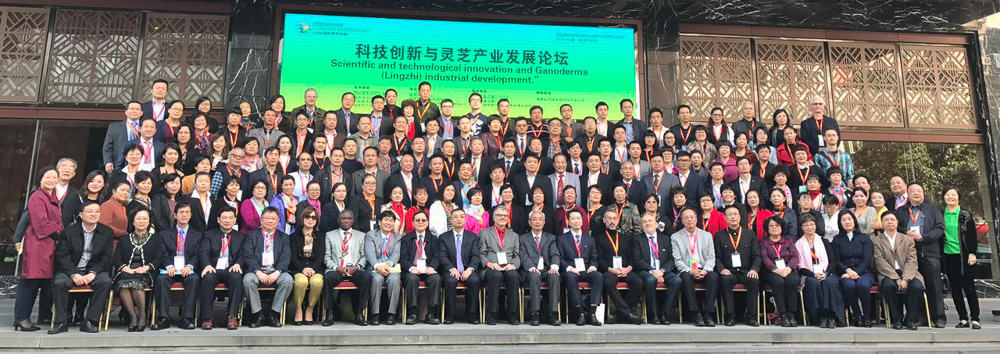
    2016 International Conference of Ganoderma Research Group Photo

    During our stay we traveled to the city of Fuzhou to attend the International Conference on Ganoderma Research. This was a gathering of top Chinese and International scientists presenting current research: analytical, in-vivo and in-vitro testing, and even historical reports. Of particular interest was the work on quality control in Ganoderma products. Utilizing an array of testing methods, fingerprints of the important active compounds were created and evaluated.

    Jeff Chilton with Lin Zhi-Bin
    Jeff with Dr. Lin Zhi-Bin

    The conference was headlined by quality control, Redefining Medicinal Mushrooms.

    Dr. Lin delivered a keynote on the benefits of Ganoderma (Reishi), highlighting the primary benefits of reishi to be disease prevention. This is directly related to immunological modulation and positive effects on the homeostasis of endocrine, cardiovascular, and nervous systems. This is also why reishi is considered a genuine longevity herb.

    Skye and I value our yearly trips to China and view them as the best way to insure high quality mushroom products for our customers.

    Until next year,

    – Jeff
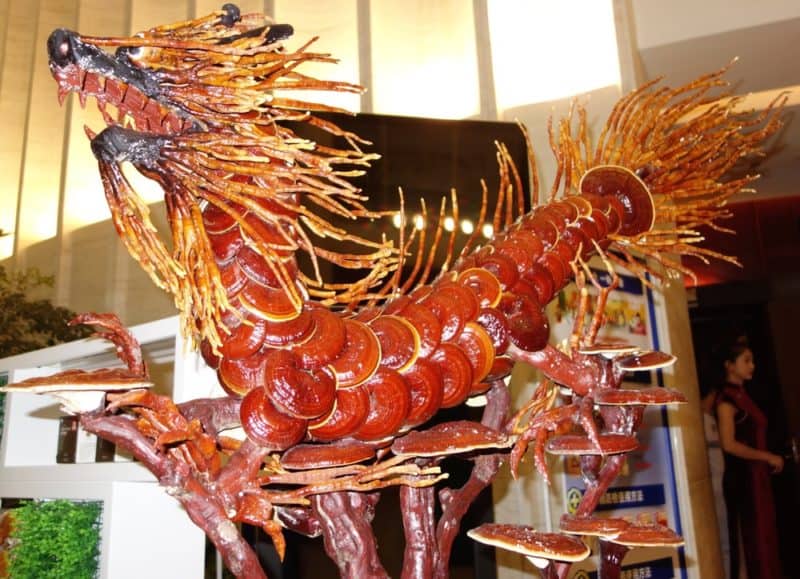
    Reishi Mushroom Dragon Art
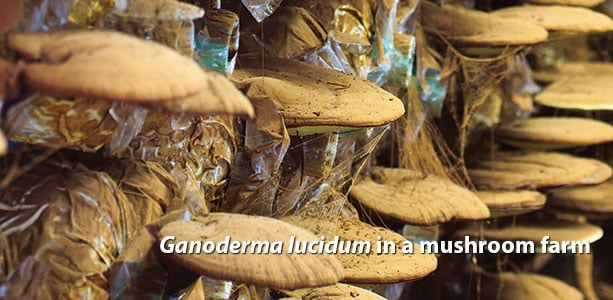
    A Dragon on display at the International Conference on Ganoderma Research made entirely from Reishi.
  • Beta-glucan Content in Commercially Grown and Wild Mushrooms

    Beta-glucan Content in Commercially Grown and Wild Mushrooms

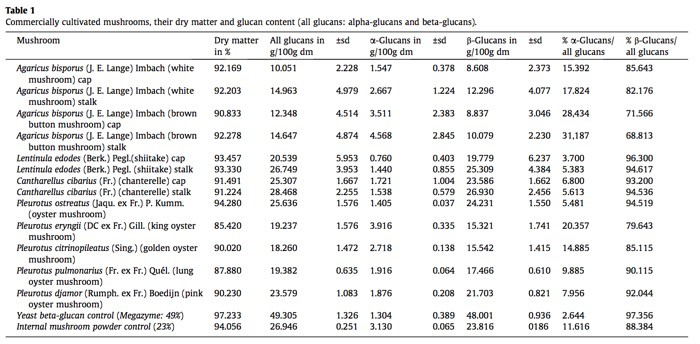
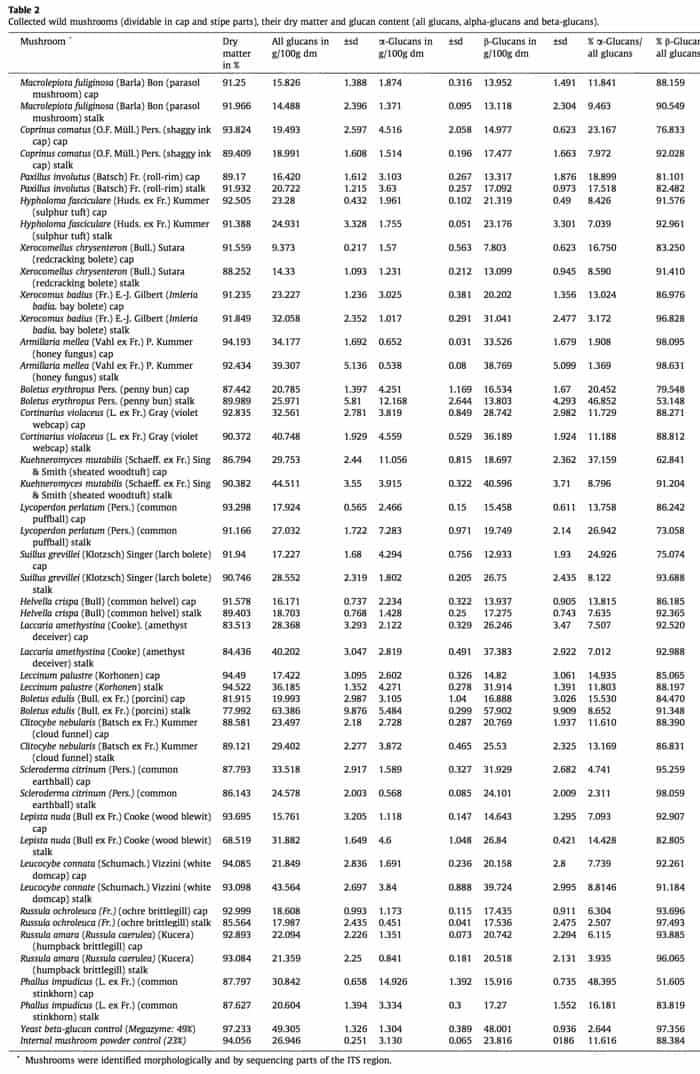
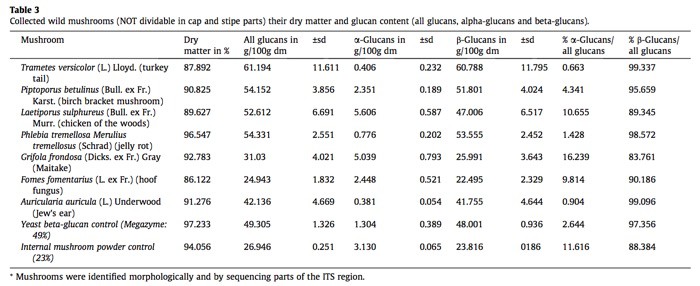
    German researchers Miriam Sari and Jan Lelley have recently published a new research paper in the Journal of Food Chemistry entitled “Screening of beta-glucan contents in commercially cultivated and wild growing mushrooms“. This paper looks at the beta-glucan content in commercially grown and wild mushrooms. Where possible they also looked at the beta-glucan content in the cap and stem to see if there were any differences.

    The commercially grown mushrooms were purchased from local supermarkets or local growers in Germany. Wild specimens were collected from the western part of North-Rhine Westphalia, Germany.

    The Megazyme beta-glucan method was used to determine the beta-glucan and alpha-glucan content of all samples.

    The results showed some interesting results for the amount of beta-glucans in the cap vs the stem. Most samples showed more beta-glucans in the stem than the cap. For example, The Porcini (Boletus edulis) stalk measured a whopping 57.9% beta-glucans with the cap only coming in at 16.88%.

    As the stem is often tougher, more fibrous and undesirable when compared to the cap, it is often removed during the harvesting process. Many of us also cut the stems off the mushrooms we buy from the supermarkets. Whether it’s extracting them or using them for culinary purposes, the data indicates that the stems should be utilized in one way or another for their valuable beta-glucan content.

    Mushrooms to note for their high beta-glucan content are Turkey Tail (Trametes versicolor), Chicken of the Woods (Laetiporus sulphurous), Trembling Merulius (Phlebia tremellosa) and Birch Polypore (Piptoporus betulinus) which all show beta-glucan content around 50% with Turkey Tail leading the pack at 60.79%.

    Here is the full table of results:

    Full Paper: Sari, M., Prange, A., Lelley, J. I., & Hambitzer, R. (2017). Screening of beta-glucan contents in commercially cultivated and wild growing mushrooms. Food Chemistry, 216, 45–51.

  • Nammex Beta-glucan Research Highlights 2016 International Society for Mushroom Science Conference

    Nammex Beta-glucan Research Highlights 2016 International Society for Mushroom Science Conference

    Jeff Chilton, President of Nammex Organic Mushroom Extracts, recently presented his groundbreaking beta-glucan research in Amsterdam to the International Society for Mushroom Science (ISMS), a worldwide organization of which he has been a member for 40 years.

    Held every four years, ISMS presents current research from around the globe on all aspects of mushrooms: genetics, innovations in cultivation equipment and techniques, spawn making, and nutritional and medicinal aspects.

    For years, mushroom scientists and advocates have been searching for a means to quantify the active compounds in medicinal mushrooms. Mr. Chilton has solved this problem with the development of the Nammex Testing Protocol™, a series of three or more tests that provide a fingerprint for mushroom quality.

    Based around the groundbreaking Megazyme beta-glucan test, this testing protocol is relatively inexpensive and very accurate. In fact, a number of members at the conference also presented research that used the Megazyme method.

    According to Mr. Chilton, the Megazyme beta-glucan based protocol sets a new standard and revolutionizes the assessment of medicinal mushroom products.

    “There can no longer be any doubt as to medicinal mushroom product quality. The Nammex Testing Protocol gives all companies the tools to evaluate and verify claims made by their mushroom supplier.”

  • Jeff Chilton Presents Ground Breaking Research at ISMS 2016

    Jeff Chilton Presents Ground Breaking Research at ISMS 2016

    On June 1st, 2016, Jeff presented his research that was published in Redefining Medicinal Mushrooms, which created a new testing protocol for qualifying functional mushroom products.

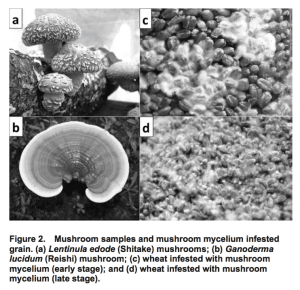
    In one example, he highlights reishi to clearly demonstrate the differences in beta-glucans for whole reishi mushrooms and reishi mycelium grown on grain. The results were as follows:

    Beta-glucansAlpha-glucansErgosterol
    Reishi Mushroom30.5%0.37%0.1%
    Reishi Mycelium on Grain6.56%40.77%0.01%

    The testing results illustrate that residual grain from mycelium products increases alpha-glucans (starch) and lowers the beta-glucans and ergosterol. Ergosterol is the sterol that is a prime indicator of degree of fungal presence in any material. It is also the pre-cursor to vitamin D2.

    Full Presentation

    Presentation Slides

    ISMS Published Paper

    Full Paper: A New Analytical Fingerprinting System for Quality Control of Medicinal Mushroom Products, Jeff Chilton, ISMS 2016

    Follow Up Questions

    At the end of Jeff’s presentation, there were 2 questions from Paul Stamets of Fungi Perfecti. This company sells mycelium on grain products.

    1. Dr. McCleary’s recent paper on the Megazyme Beta-glucan test method found almost 2x more beta-glucans in reishi mushroom than previous test findings. How can this test method be accurate with such a wide variance of test results?

    Jeff responded that Dr. McCleary’s paper was a detailed evaluation of the Megazyme beta-glucan method as well as a review of beta-glucan methods published by other mushroom researchers – Manzi and Molleken specifically. Dr. McCleary clearly elucidated the reasons why the methods used by Manzi and Molleken were not accurate.

    When he re-evaluated his own Megazyme test method, he discovered that sulfuric acid was a better solvent than HCl for the procedure. Although sulfuric acid had no effect on most of the mushroom samples, it had a dramatic effect on reishi, increasing the beta-glucan result. Because of this finding, Dr. McCleary now recommends using sulfuric acid when running the Megazyme method.

    This finding demonstrates why scientists such as Dr. McCleary publish in peer-reviewed journals and report their findings for the betterment of science. So the answer to Mr. Stamets’ question is that the method has been improved and best of all, reishi is actually higher in beta-glucans than originally believed.

    Dr. McCleary’s paper was published in the peer reviewed Journal of the Association of Official Analytical Chemists International, the body that validates analytical methods used in scientific research and industry. So the Megazyme method has now been peer reviewed.

    2. How does the Megazyme method differentiate between mould mycelium and basidiomycete mycelium?

    The Megazyme method is not designed to differentiate fungal species. Microbiological testing can accomplish this if the microbes are alive. In order to discover if other fungal species are present, Nammex sends the sample out for DNA analysis. This accurately determines what organisms are in the sample, so if mold or other plants are present, they will show up in the DNA analysis. Likewise, if a product is spiked by yeast, grain starches, or other adulterants, they will also show up.

  • Mushroom Growers Newsletter Weighs in on Beta-Glucan Testing

    Mushroom Growers Newsletter Weighs in on Beta-Glucan Testing

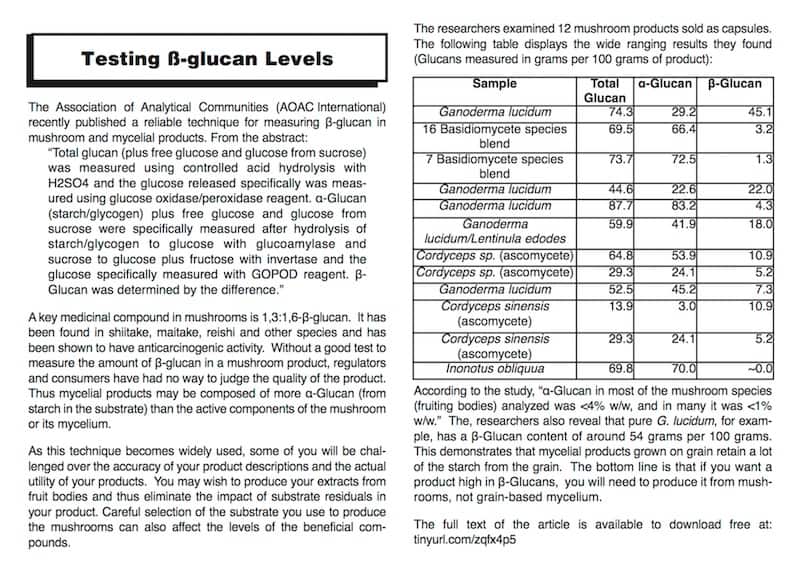
    The Mushroom Growers Newsletter recently showcased the recent peer-reviewed paper from Dr. McCleary titled “Measurement of β-Glucan in Mushrooms and Mycelial Products”.

    In it they state the following:

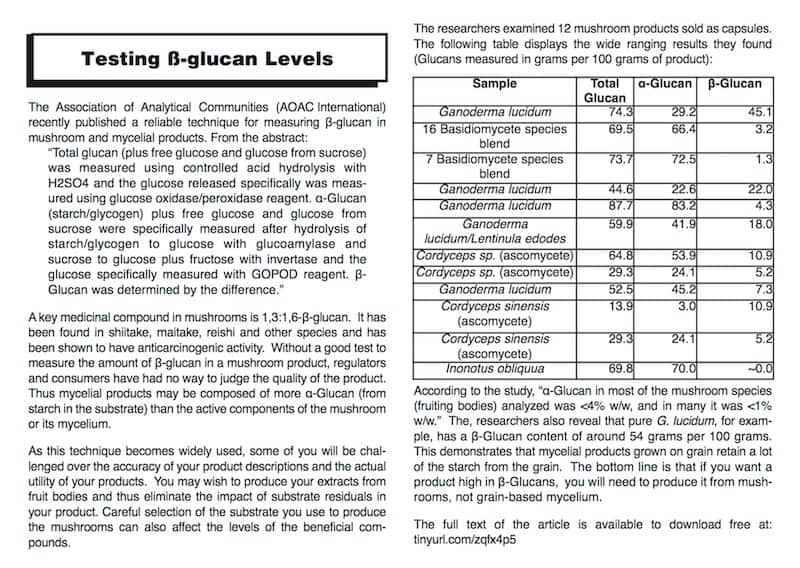
    A key medicinal compound in mushrooms is 1,3:1,6-β-glucan. It has been found in shiitake, maitake, reishi and other species and has been shown to have anticarcinogenic activity. Without a good test to measure the amount of β-glucan in a mushroom product, regulators and consumers have had no way to judge the quality of the product. Thus mycelial products may be composed of more α-Glucan (from starch in the substrate) than the active components of the mushroom or its mycelium.

    As this technique becomes widely used, some of you will be challenged over the accuracy of your product descriptions and the actual utility of your products. You may wish to produce your extracts from fruit bodies and thus eliminate the impact of substrate residuals in your product. Careful selection of the substrate you use to produce the mushrooms can also affect the levels of the beneficial compounds.

    And goes on to say:

    This demonstrates that mycelial products grown on grain retain a lot of the starch from the grain. The bottom line is that if you want a product high in β-Glucans, you will need to produce it from mushrooms, not grain-based mycelium.

    We couldn’t agree more.

  • Beta-glucan Paper Confirms Nammex White Paper Findings

    Beta-glucan Paper Confirms Nammex White Paper Findings

    A newly published research paper in the peer-reviewed Journal of American Association of Agricultural Chemists, AOAC, the organization that sets and validates the testing standards for all analytical testing, confirmed the findings in Jeff’s Redefining Medicinal Mushrooms, and validated the Megazyme method for beta-glucan testing. The paper is titled “Measurement of β-Glucan in Mushrooms and Mycelial Products” and is written by Dr. Barry McCleary.

    Dr. McCleary’s paper examines different testing methods for measuring beta-glucans in basidiomycetes and utilizes whole dried mushrooms and off the shelf retail products as his sample material.

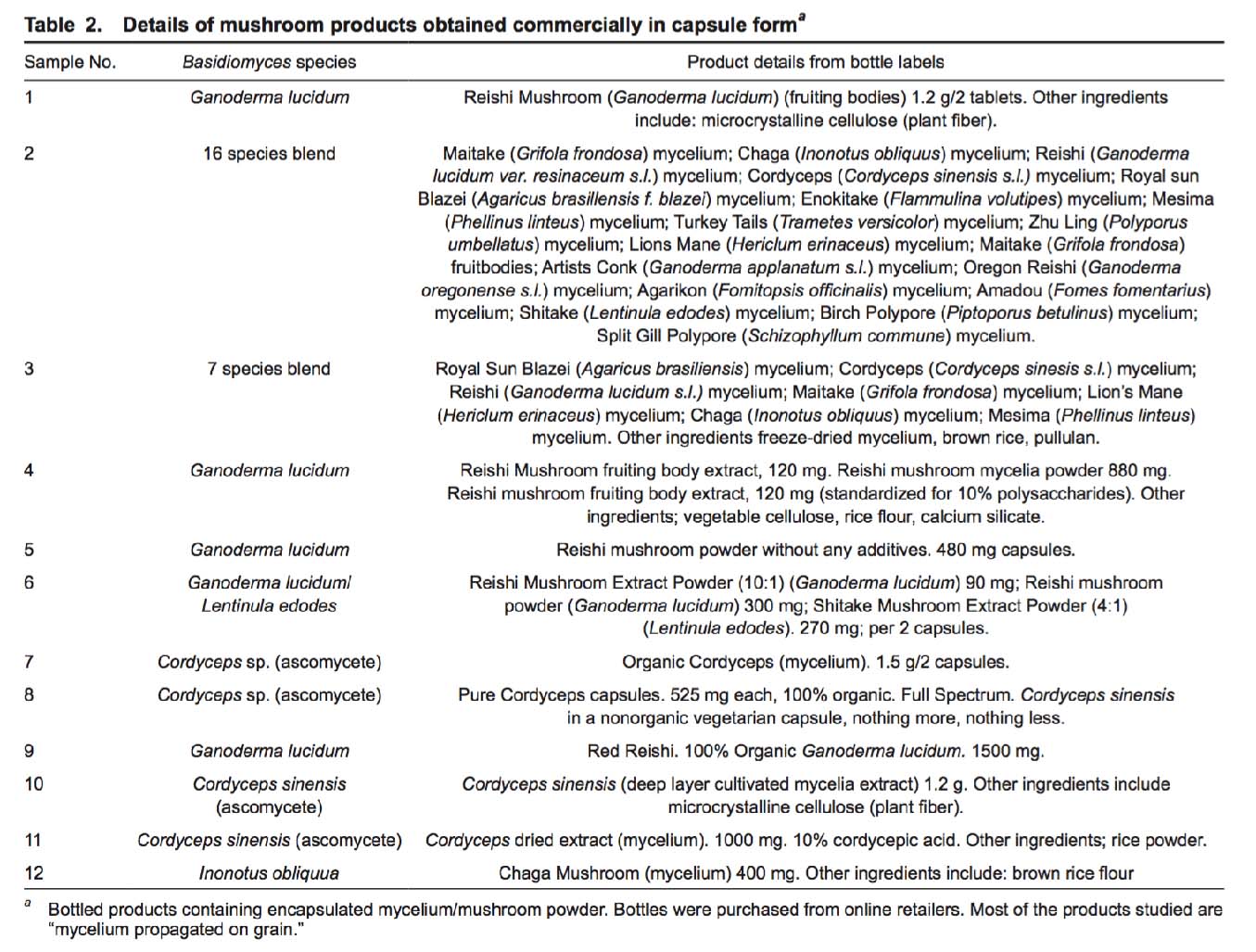
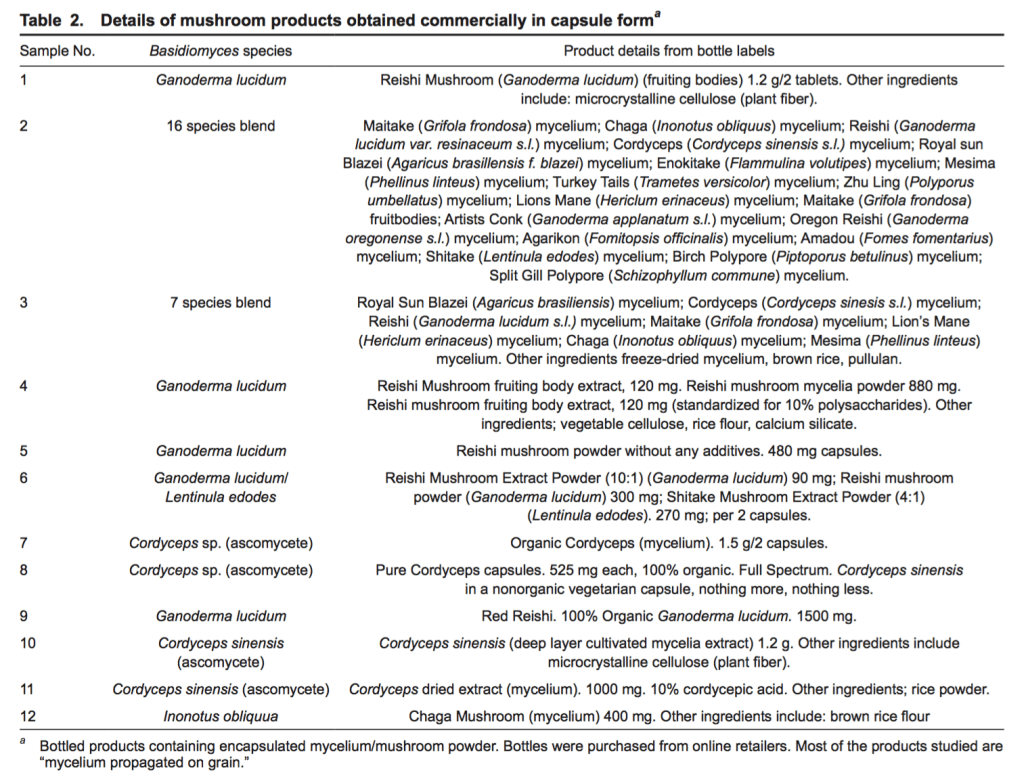
    Table 2 shows the retail products tested:

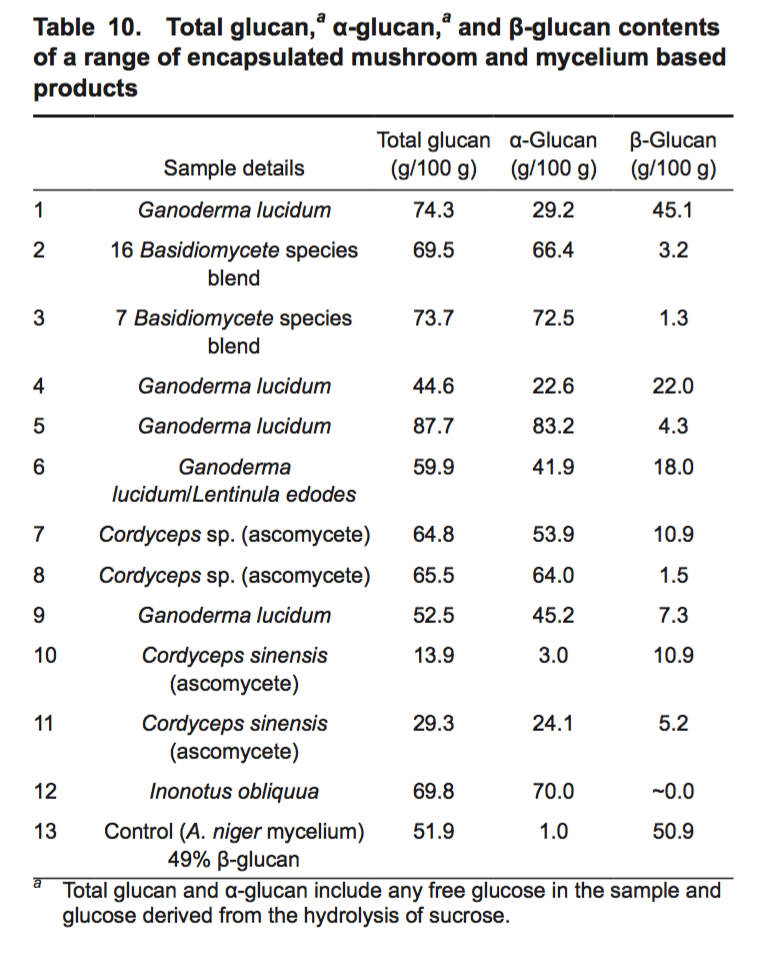
    Table 10 shows the testing results:

    The alpha-glucan content (starch) in most of these products is extremely high.

    Table 2 demonstrates that Product#2 is a mycelium on grain product which shows 66.4% alpha-glucan and 3.2% beta-glucan.

    Product#3 also appears to be mycelium on grain with 72.5% alpha-glucan and 1.3% beta-glucan.

    Product#8, which claims to be a “full spectrum” Cordyceps sinensis product, shows mostly alpha-glucan, 64.%, and 1.5% beta-glucan. This without question is mycelium on grain.

    Product#9, which claims to be “100% organic ganoderma lucidum” shows 45.2% alpha-glucan and 7.3% beta-glucan.

    Product#12, which is “Chaga mushroom (mycelium)” with other ingredients of “brown rice flour” shows 70% alpha-glucan and 0.0% beta-glucan.

    In Redefining Medicinal Mushrooms we tested grains just to see what their alpha-glucan and beta-glucan content looked like. Our results are as follows:

    GrainAlpha-glucanBeta-glucan
    Rice74%1%
    Oats58%1%
    Sorghum64%2%
    Grain Tests from Redefining Medicinal Mushrooms

    Our testing showed that even grain has a small amount of beta-glucans (1-2%). Pure mushrooms have very little amounts of starch, 1-5%.

    So for the retail products listed above, how much is actually mushroom and/or mycelium?

    The tests results would indicate that there is more grain than fungal tissue.

    This peer reviewed research by Dr. McCleary, confirms the test results reported in Redefining Medicinal Mushrooms and should be a wake up call for both companies and consumers. Genuine mushroom products are significantly different in quality, containing high levels of beta-glucans and low levels of alpha-glucans.  

    As the results above demonstrate, the “mushroom” product you have purchased might be more grain than mushroom.

    Measurement of β-Glucan in Mushrooms and Mycelial Products - Figure 2

    Full Paper: McCleary & Draga: Journal of AOAC International Vol. 99, no. 2, 2016

  • Total Health Magazine references Nammex white paper

    Total Health Magazine references Nammex white paper

    ganoderma_lucidum_medicinal_mushrooms_dallas_clouatre-2

    A recent article at Total Health Magazine, entitled “What’s In Your Medicinal Mushrooms?”, by Dallas Clouatre, PhD, highlighted quality control issues in the supplement market. In it, Dr. Clouatre discusses the current issues facing the medicinal mushroom industry such as product adulteration and product mislabelling and references Jeff’s “Redefining Medicinal Mushrooms white paper and article in HerbalGram on mushroom product labelling. It also references the FDA guidelines around proper labelling of fungal parts in a commercial product (CPG Section 585.525: Mushroom Mycelium – Fitness for Food; Labeling).

    Read the full article here.

  • New to North America: Organic Cordyceps Mushroom Extracts

    New to North America: Organic Cordyceps Mushroom Extracts

    Jeff Chilton, President of Nammex Organic Mushroom Extracts, is excited to announce that Nammex now has a reliable ongoing supply of genuine, organically certified, Cordyceps militaris mushroom extracts. At an affordable price.

    Wildcrafted Cordyceps sinensis is a legendary Chinese medicinal mushroom that has traditionally been recommended for a broad range of applications including low energy and fatigue, respiratory function, and fertility.

    But demand for this increasingly rare natural product put it out of reach for the average consumer which forced US companies to produce grain-laden Cordyceps mycelium. New scientific research has now demonstrated that Cordyceps militaris mushrooms have active compounds and benefits similar to, if not better than, Cordyceps sinensis.

    As with other Nammex extracts, actual Cordyceps mushrooms are being organically cultivated and are supplied in powder form to supplement manufacturers in North America.

    Nammex organic Cordyceps militaris mushrooms guarantee a higher level of active ingredients than common Cordyceps mycelium grown on cereal grains. The kind of potency desired by the high performance athletes who tend to use this product today.

  • Canadian Company Challenges North American Industry They Helped Found

    Canadian Company Challenges North American Industry They Helped Found

    Jeff Chilton, President of Nammex Organic Mushroom Extracts is shaking up the medicinal mushroom supplement business that he helped found over 25 years ago.

    Nammex is a producer of medicinal mushroom extracts that they supply as raw materials to the booming medicinal mushroom supplement industry, which was last tracked in 2014 as a $18 Billion dollar industry worldwide.

    The difference between Nammex product and most others on the market is that Nammex works in cooperation with organically certified mushroom growers deep in the mountains of China – where 85% of all natural medicinal mushrooms are grown.

    Indeed, the Chinese have been consuming medicinal mushrooms like Reishi and Shiitake for centuries – revered for their immune system stimulation capabilities. Recently, mushroom products such as Cordyceps are being recognized by the high performance athletics industry.

    Mr. Chilton’s concerns about the industry he helped found are that most nutritional supplements that are labeled and sold as mushroom products in Canada and the USA are in fact a product called mycelium on grain – more like the root of the plant rather than the fruit body of mushroom. The strength of mycelium on grain is significantly lower than a real mushroom extract as a result of the residual grain that remains a dominant part of the product.

    Throughout 2015, Nammex has been bringing these facts to light – which has attracted considerable industry backlash. Mr. Chilton remains firm in his goal to educate consumers on the differences between real medicinal mushrooms and mycelium on grain products.

  • Commercial Labeling of Medicinal Mushroom Products

    Commercial Labeling of Medicinal Mushroom Products

    My recent guest contribution to HerbalGram (American Botanical Council), “Commercial Labeling of Medicinal Mushroom Products”, reveals how U.S. myceliated grain products are being sold as “mushroom”. These grainy products are not mushrooms, but actually a food product called Tempeh, yet they are being sold as mushroom supplements.

    “Commercial Labeling of Medicinal Mushroom Products” is a very good primer into differences in mushroom products that are being sold in the marketplace.

    Email us any feedback you have.

  • Medicinal Mushroom Pioneer Challenges Mycelium Potency

    Medicinal Mushroom Pioneer Challenges Mycelium Potency

    With over forty years in the mushroom industry, Jeff Chilton knows the science of mushrooms. In fact, the Nammex founder helped pioneer the now rapidly expanding market for medicinal mushrooms.

    But Mr. Chilton is concerned that the common practice of growing mycelium on a grain medium – a methodology which Jeff helped popularize in the 1990’s before abandoning it in 2005 – has now flooded the market with less than optimal ingredients.

    Mr. Chilton has confirmed through scientific research that mycelium grown on grain produces lower amounts of beta-D-glucans, the primary active compound in medicinal mushrooms. Not only that, the residual grain in the form of starch dominates these products.

    Jeff has proven his findings by using a new, highly specific testing method developed by Megazyme International, an award-winning, world leader in testing technologies – especially carbohydrates and polysaccharides. Megazyme’s method is specifically designed to measure (1>3)(1>6)-beta-glucans from mushrooms and yeast. The test is now utilized by researchers worldwide and is becoming a standard.

    The Megazyme test results clearly show that mushrooms, the “fruiting body”, produce measurably greater amounts of beta-glucans compared to mycelium, “the vegetative body”. And because mycelium is typically grown on grain, mycelium products can contain as much as 70% starch. Mushrooms contain less than 5% starch on average.

    Furthermore, secondary metabolites like triterpenoids, recognized as key medicinal compounds, are mostly absent in mycelium on grain products due to lack of precursors. Not so in organically grown mushrooms.

    NAMMEX first organized organic mushroom production in China in 1997. Their long-term business development efforts have paid off with their Kosher and Certified Organic mushrooms being grown in pristine mountain valleys deep in China – the traditional home of medicinal mushrooms.

    NAMMEX now guarantees the potency levels of active compounds in their organic mushroom products. They sell twelve primary medicinal mushrooms, which include Reishi, Shiitake, Cordyceps and Chaga. All are tested and shipped with guaranteed amounts of beta-D glucans. Certified organic and Kosher.